Museum memories
This is my entry for this month’s IndieWeb Carnival: .
I have not been to many museums or galleries. I am not a cultured person.
My favourite museum is the city of Barcelona.
Museums
I grew up in Birmingham, UK, and I have been to a few museums there. We went on a school trip to the Science Museum and I’m pretty sure I’ve been down to London to go to the Natural History Museum.
They’re all great.
My favourite museum trips were all in Barcelona, and there must be something to that city because out of the three entries to this month’s carnival I’ve read there’s already one about a museum there.
Barcelona
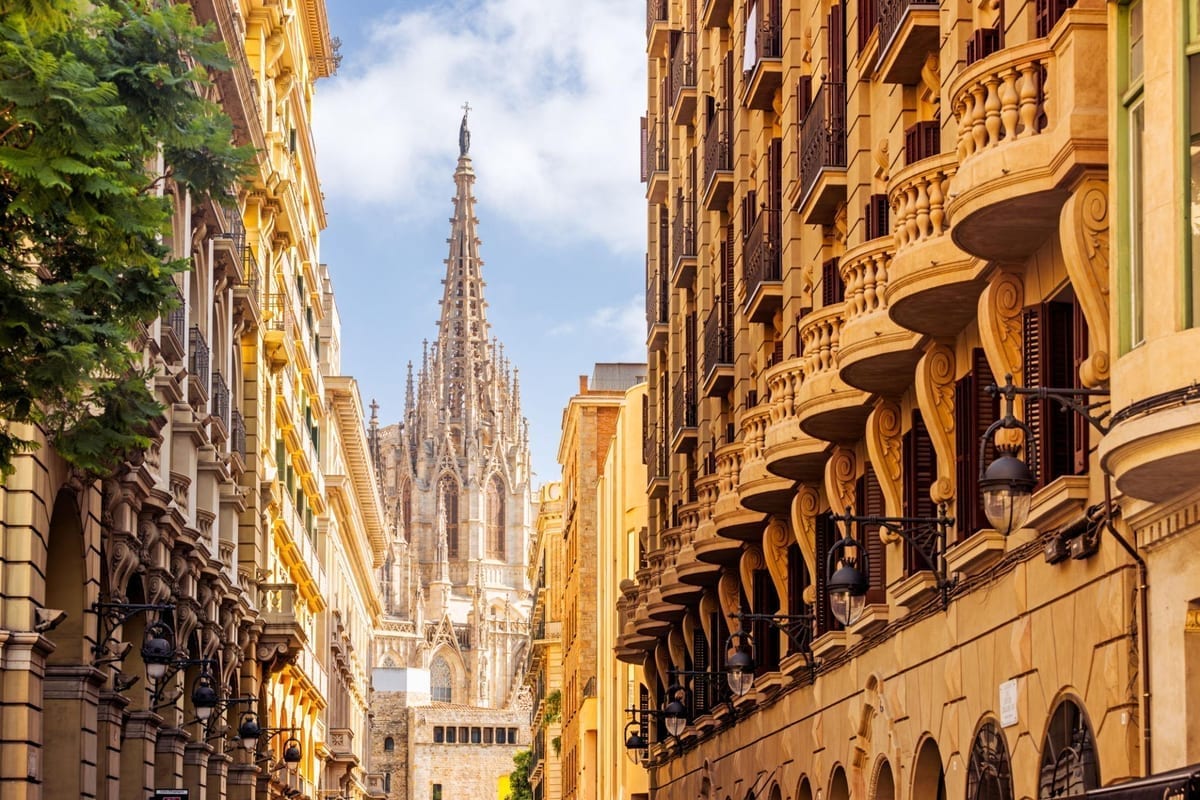
I first went in 2017, staying for a week in a hotel in Eixample, a giant extension to the city that was started in the 1860s.
The Old Quarter, the historic core, dates back over 2,000 years. It was founded by the Romans as Barcino and some of their walls are still standing.
The development of other parts of the city, like Barri Gòtic and El Born, happened during the medieval period and were built right on top of what came before.
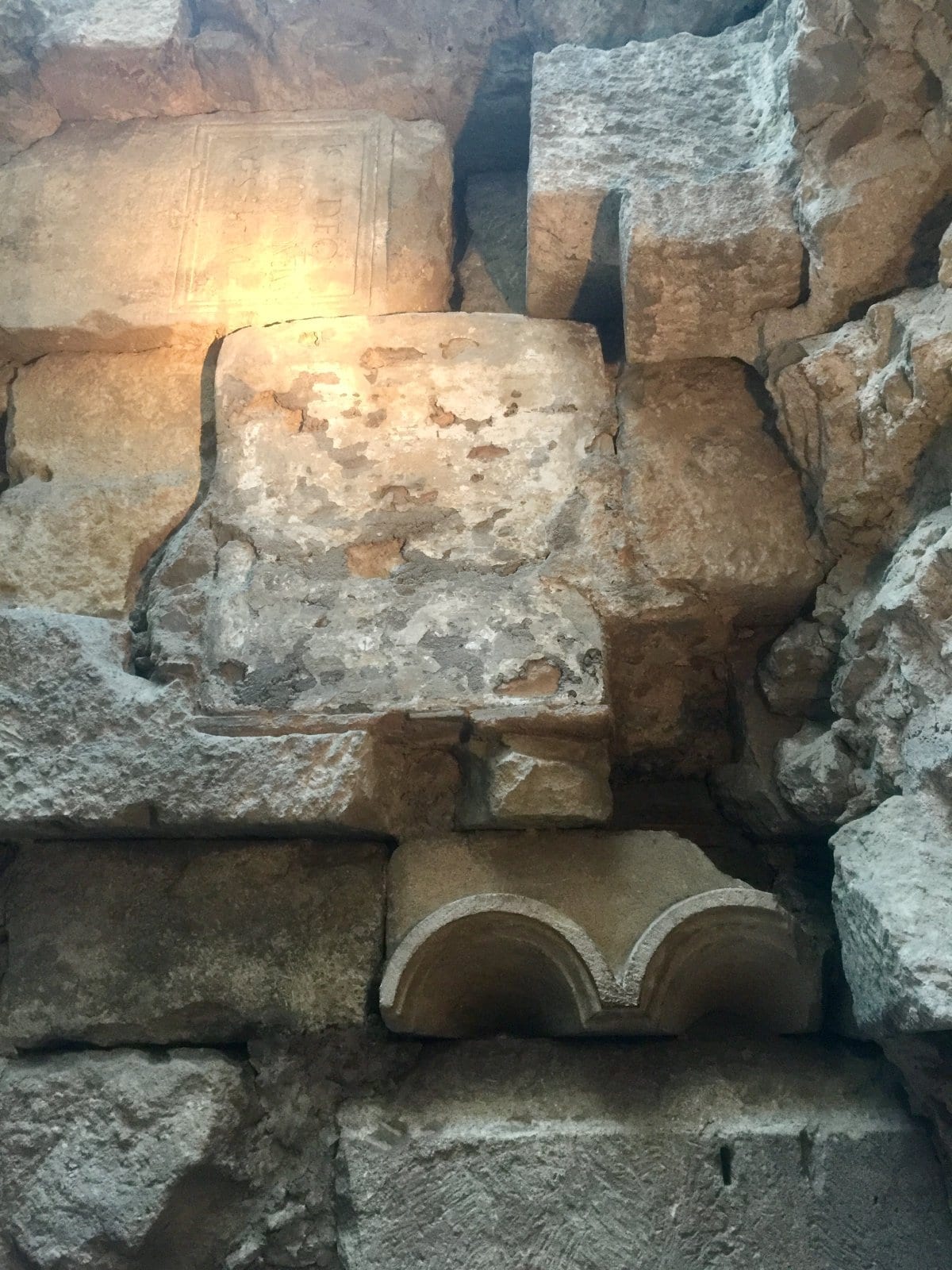
It’s chaotic and organic.
Eixample
Eixample, known in English as “extension”, is the complete opposite. It was designed as a uniform grid layout, and turned out to be very forward-thinking design.
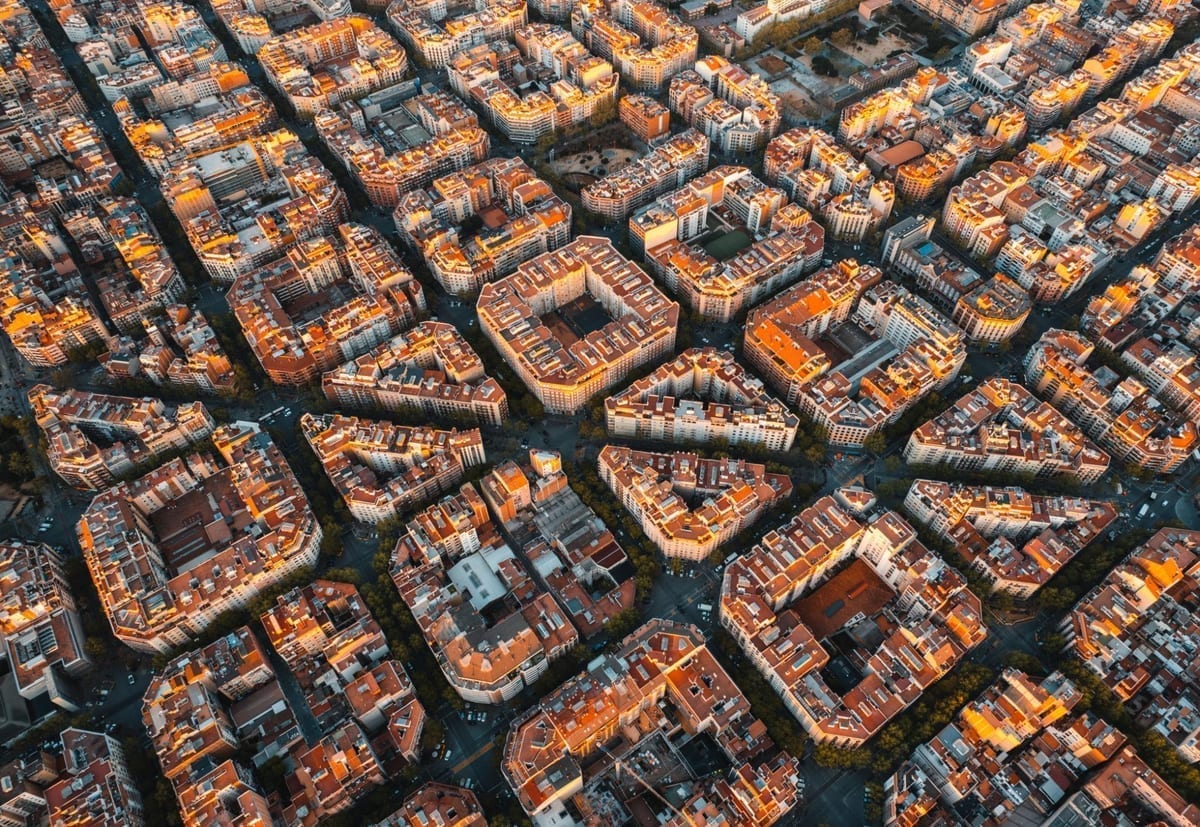
The octagonal blocks give better visibility at intersections and make turning easier for vehicles, even ones we use now, which didn’t exist when the design was first conceived.
Museums
I mention all of this because the city itself is a giant museum. You can step back in time, in design, and urban planning, and wander through the narrow cobbled streets of the Old Quarter, then walk ten minutes to Eixample to see an extension, started two hundred years ago, that’s still celebrated for how modern it is.
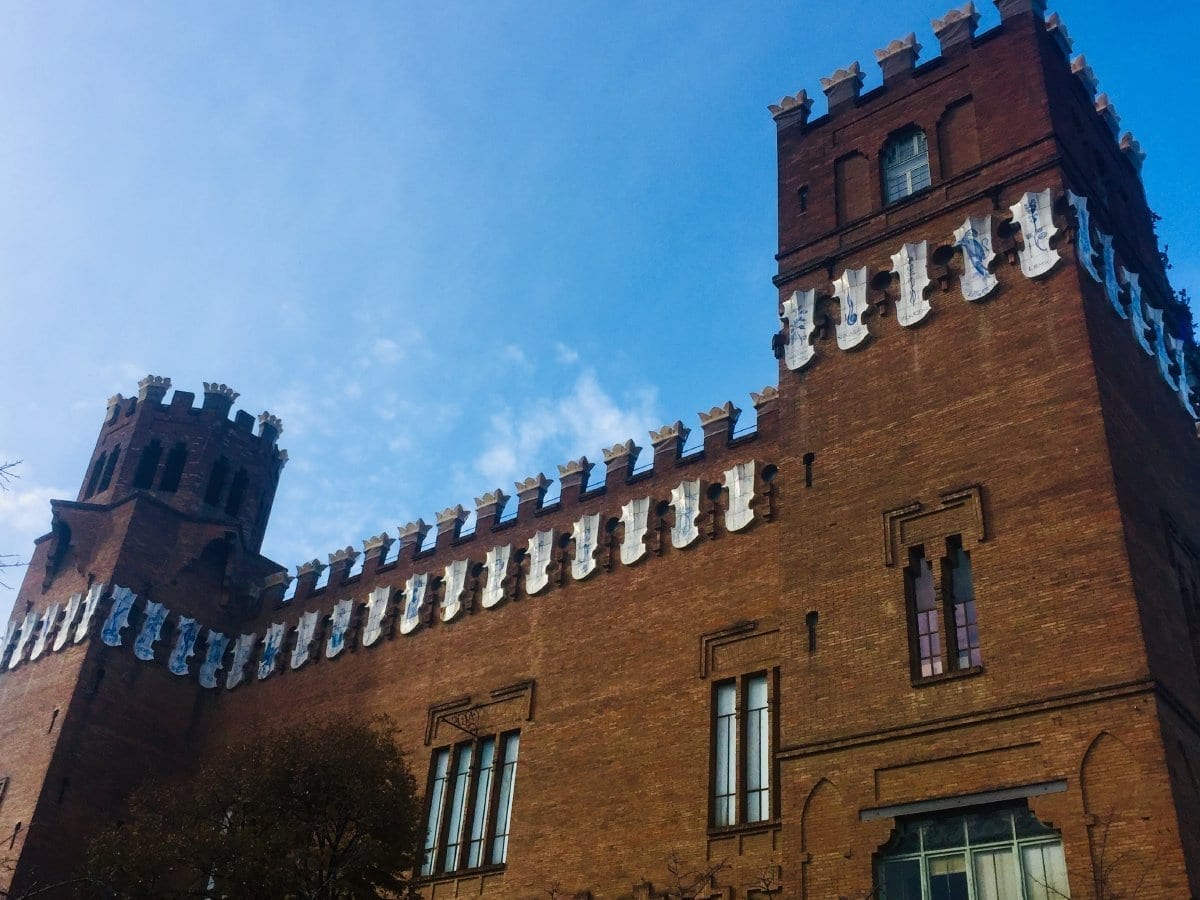
Barcelona has free museum visits on Sundays (in most city-run museums), with free entry from 3pm onwards and all day on the first Sunday of the month.
I made a second trip later in 2017 for a month, and ended up staying six weeks. I visited most of the free museums whilst I was there,
as well as Castell de Montjuïc, the fort on the hill.
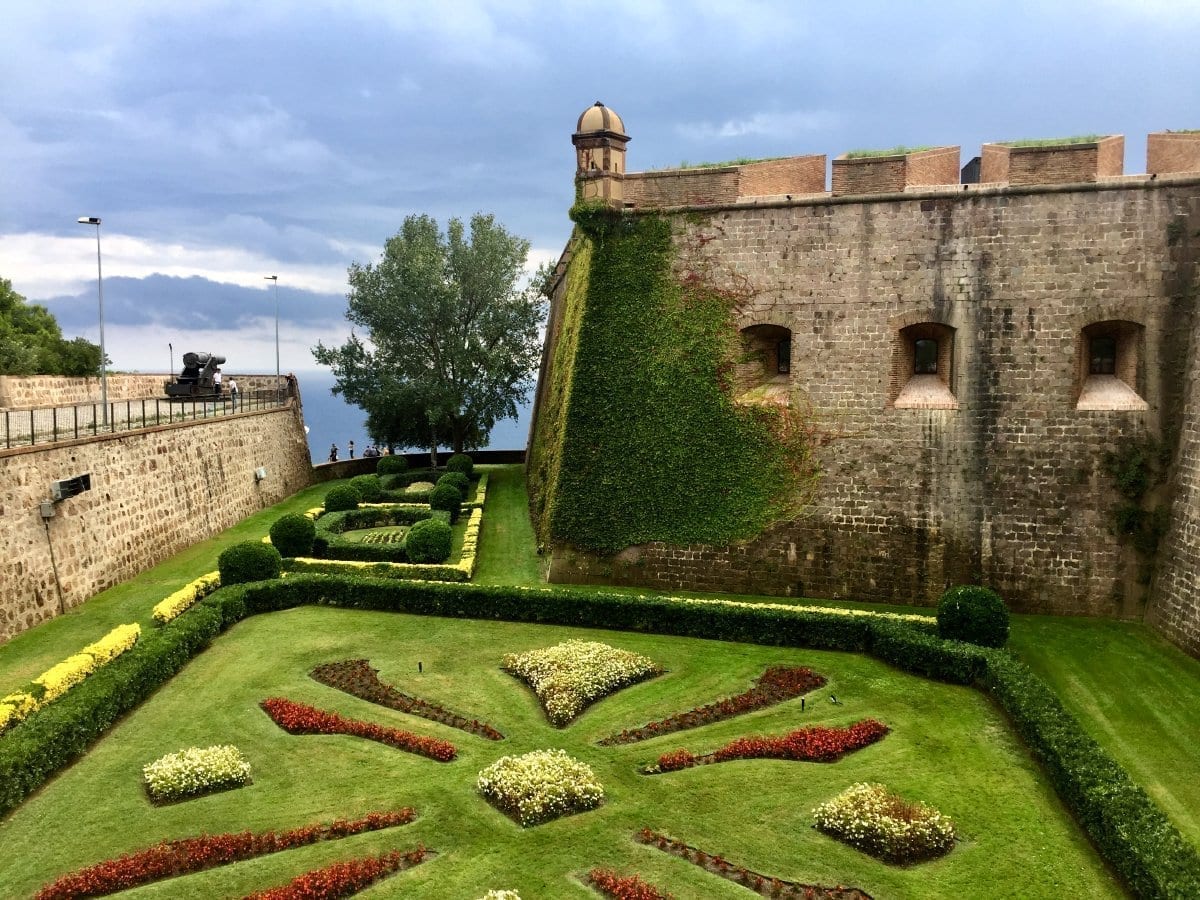
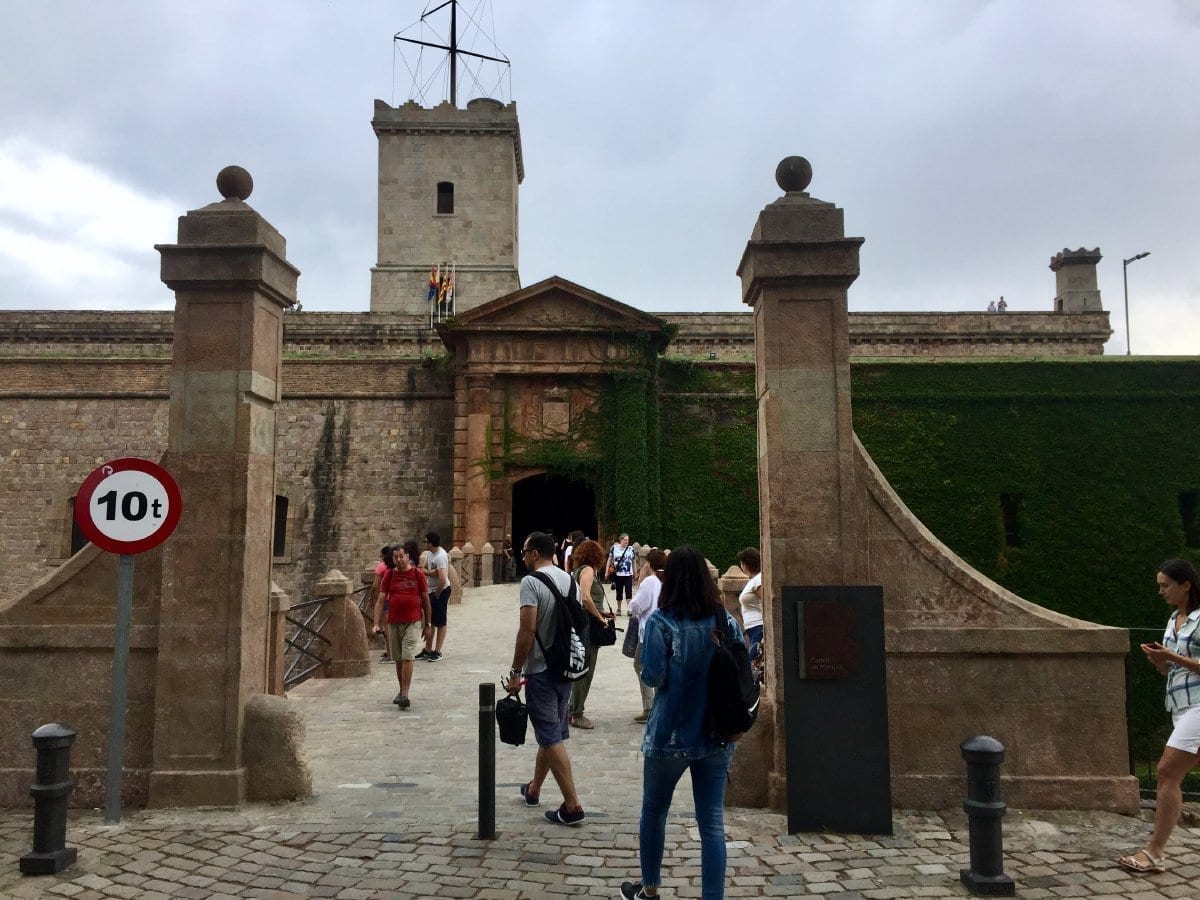
It was interesting to see how it was being used.
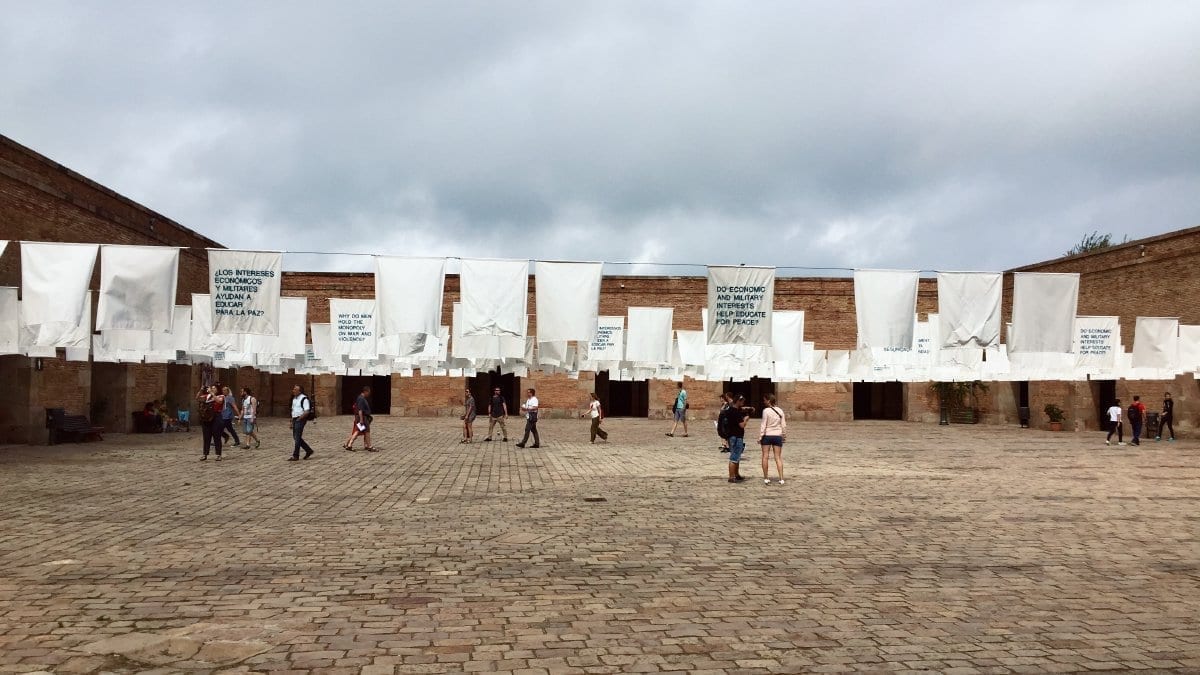
Do economic and military interests help educate for peace?
Barcelona does a really good job of preserving layers of its past, from Castell de Montjuïc, to Roman walls in the Gothic Quarter and entire neighbourhoods from the 1700s, like those uncovered in El Born.
These are curated spaces that preserve and display the history of the city itself.
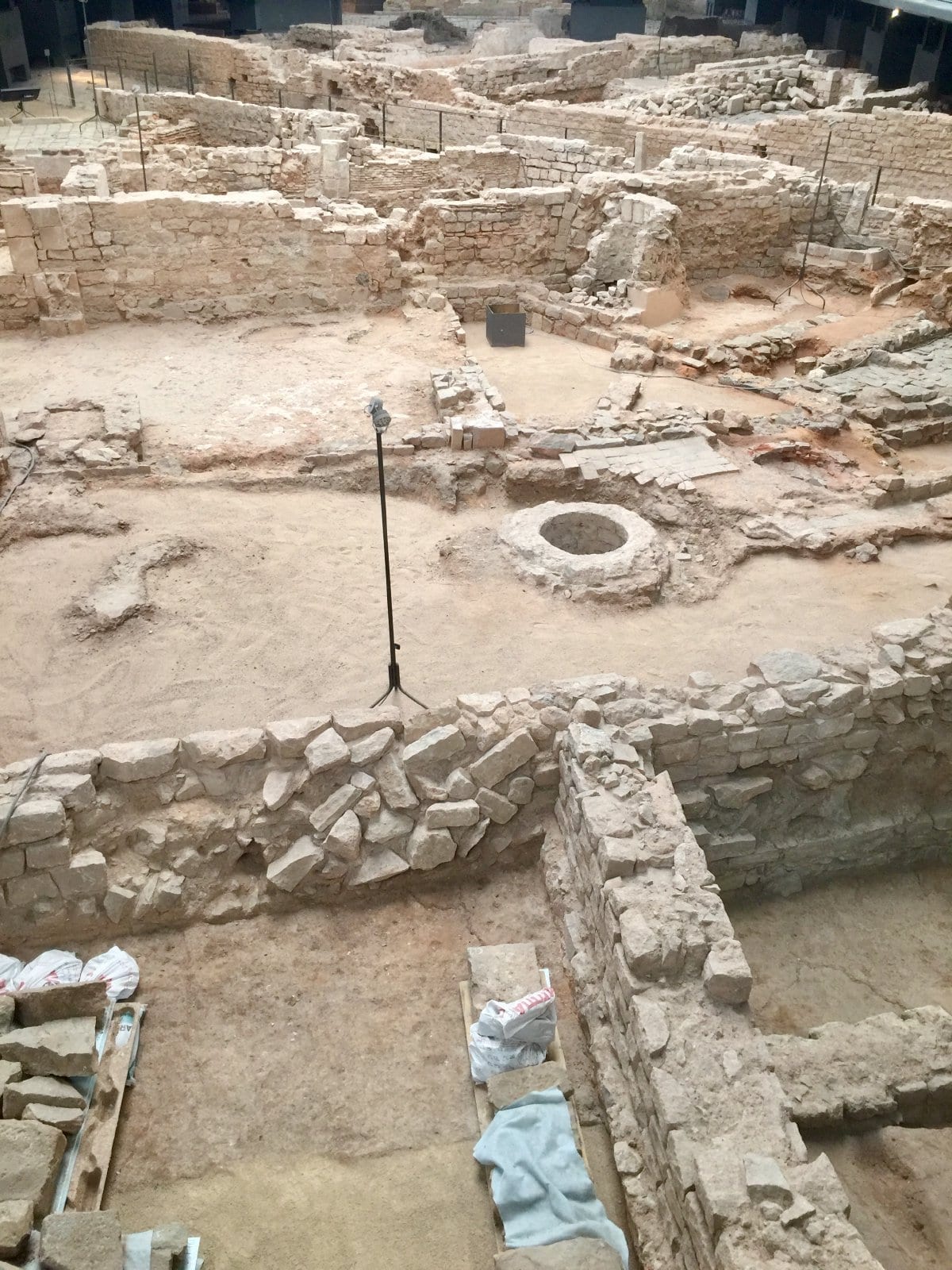
I don’t have a favourite museum in Barcelona. Barcelona is my favourite museum.
Galleries
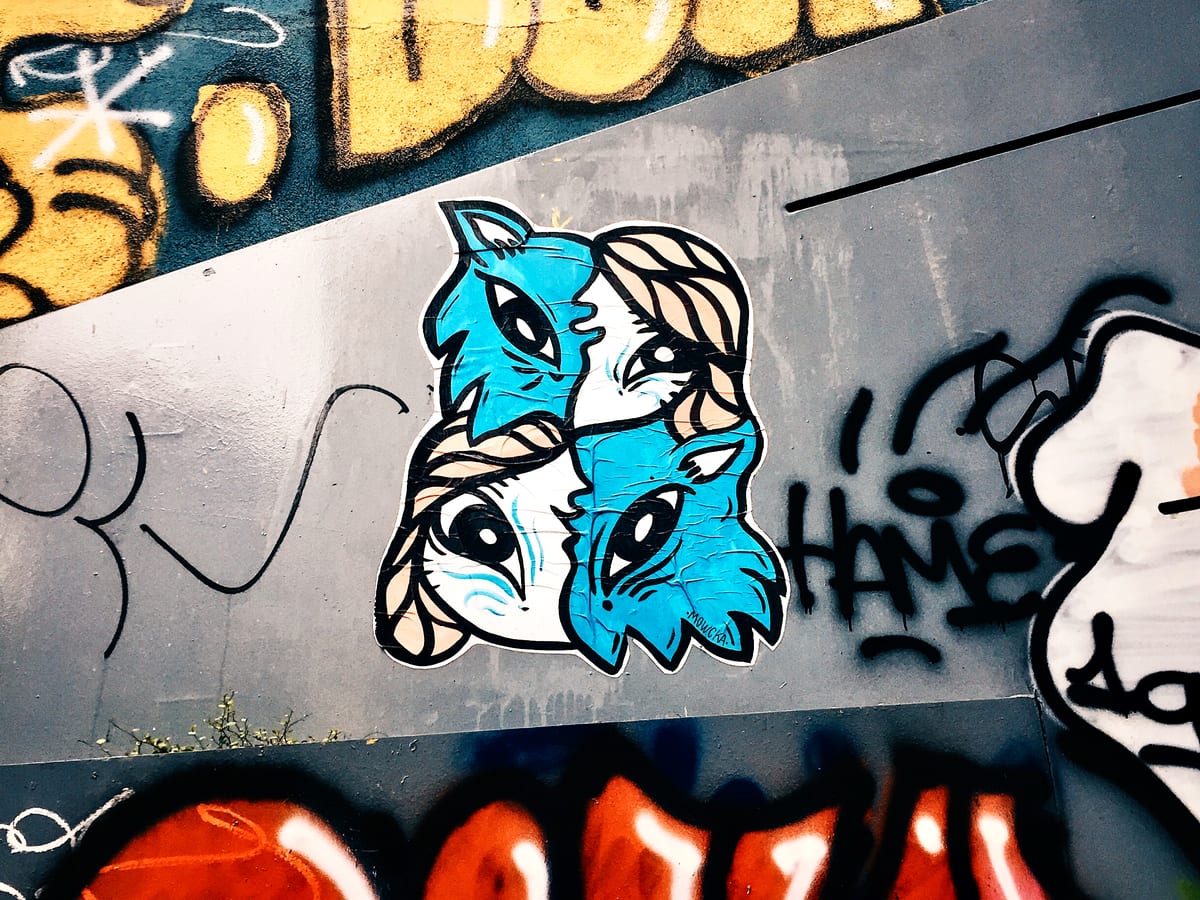
It’s also a giant street art gallery.
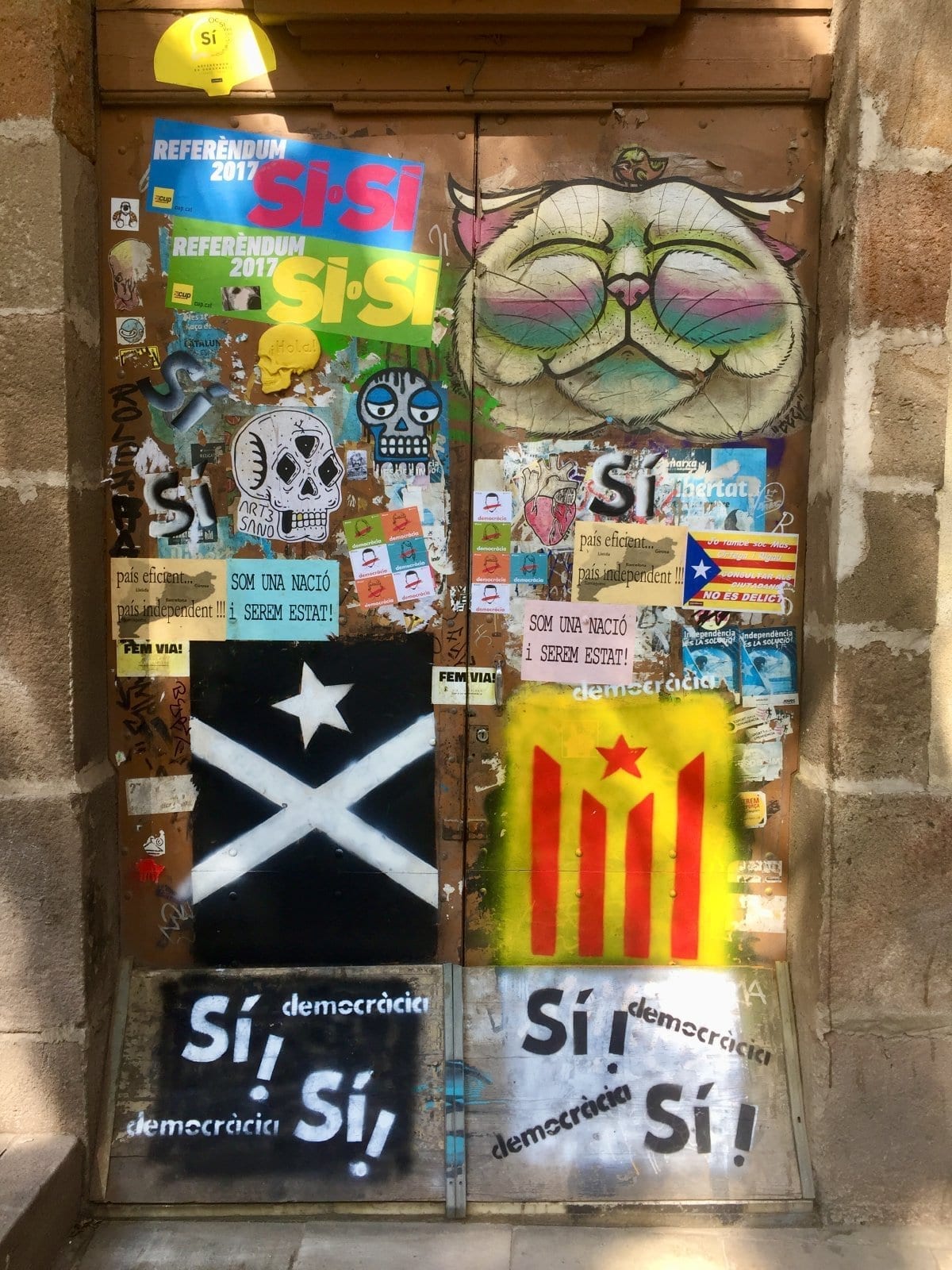
The residents communicate with posters, stickers and slogans:
To deter graffiti many property owners commission work for their shutters:
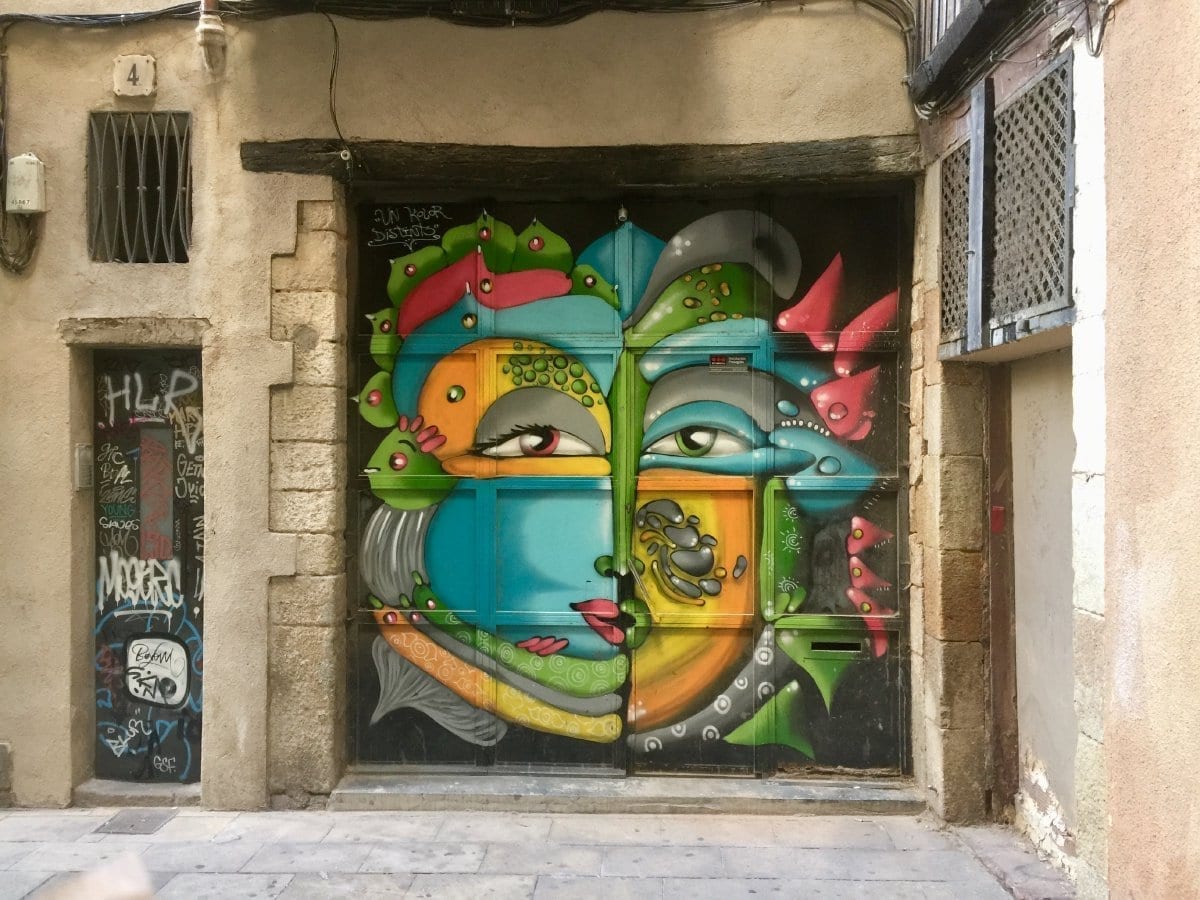
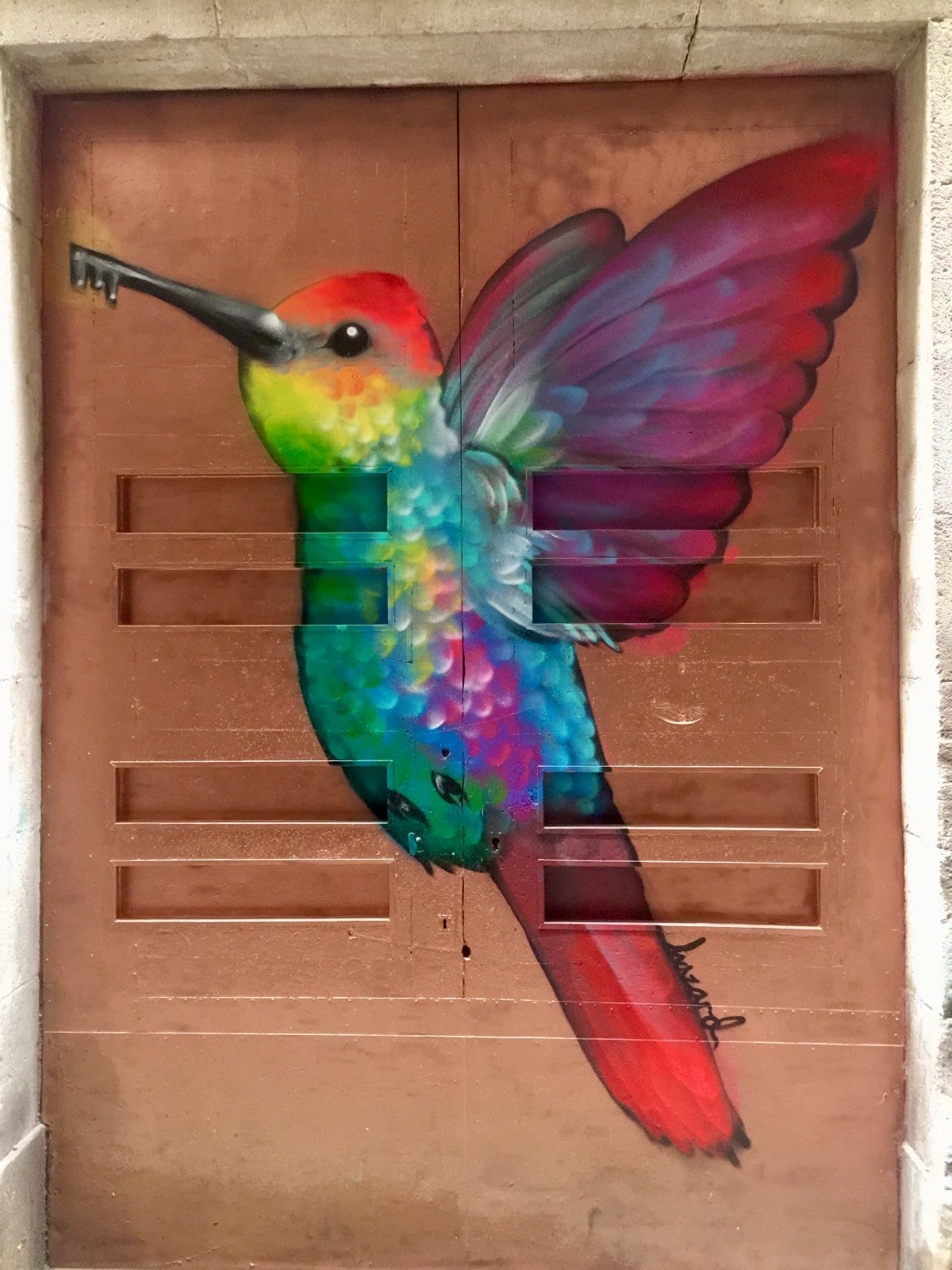
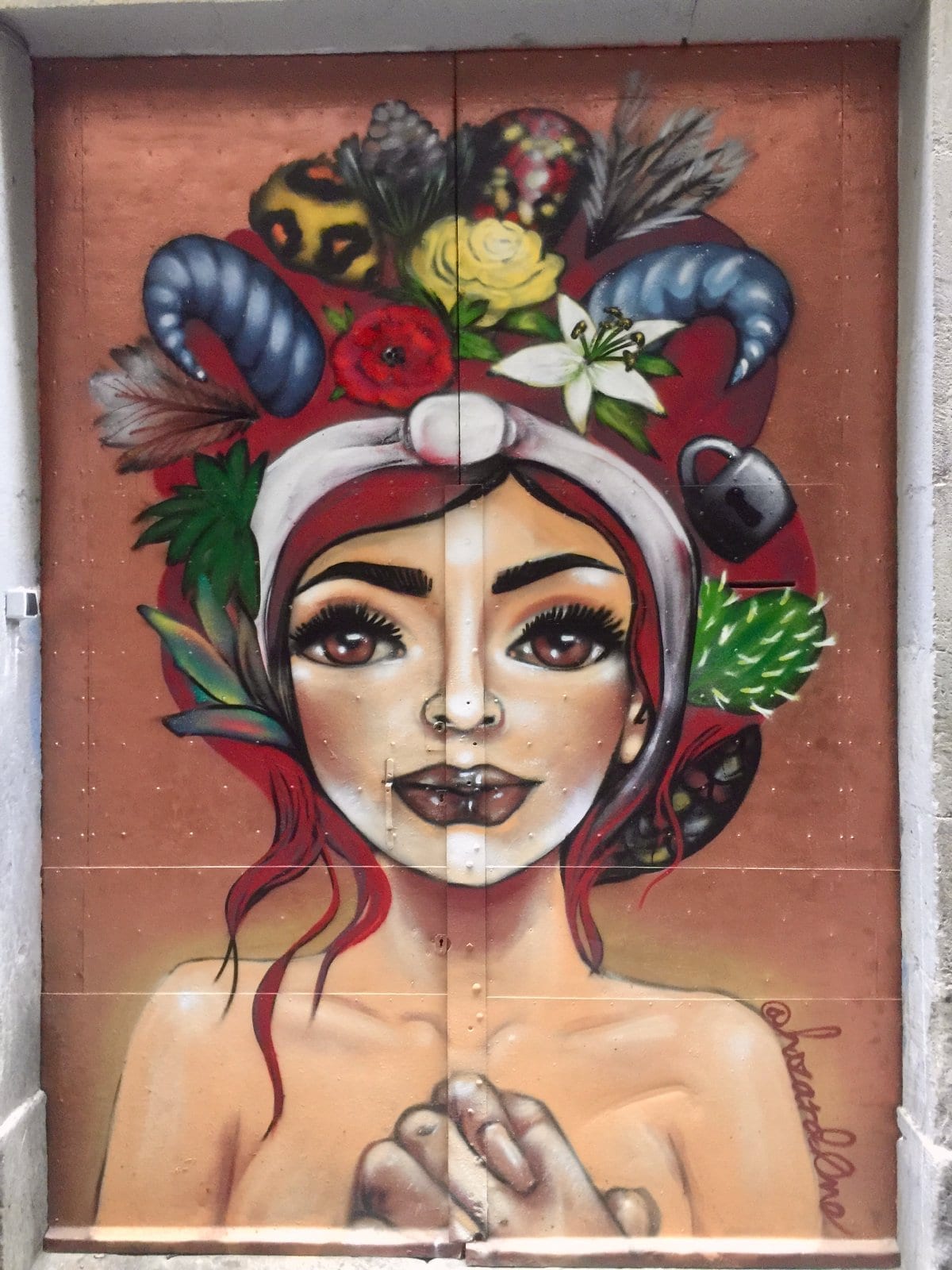
which is respected and left untouched.
The streets become a gallery, with guides offering tours of their own curated favourites.
Architecture
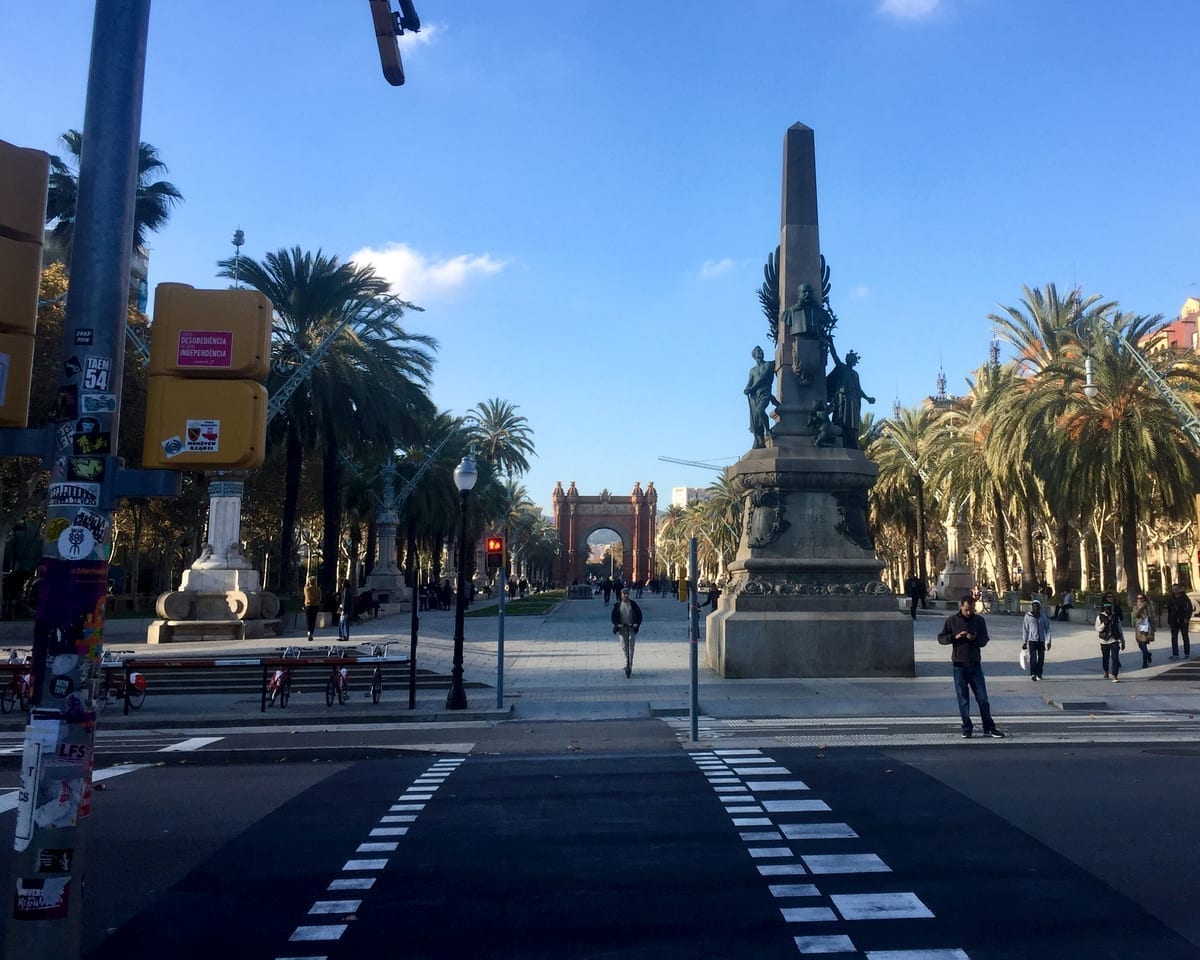
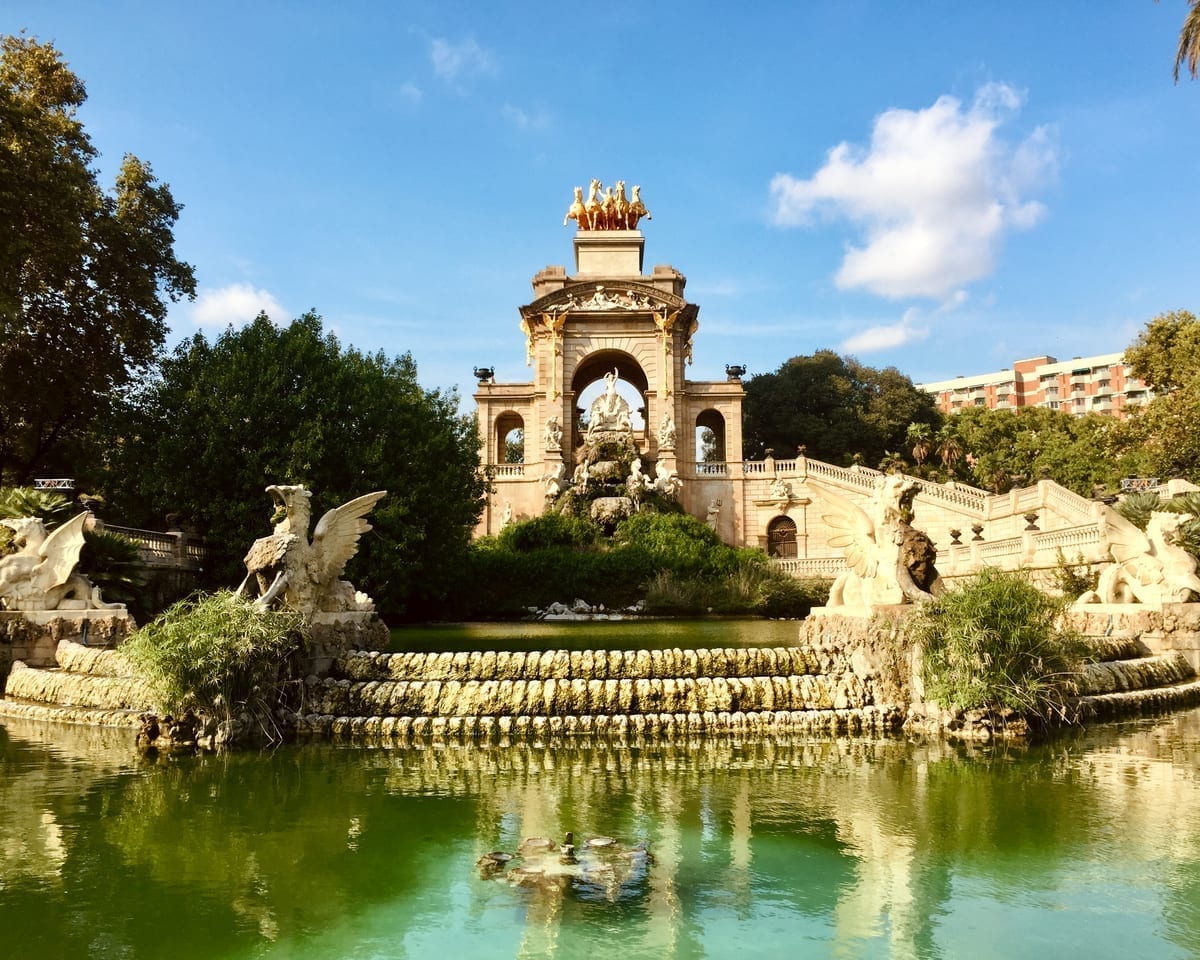
Speaking of streets, some of the best views are of the architecture.
Whether it’s an open public space…
or one of the many gold statues…
or an ornate entrance to a church…
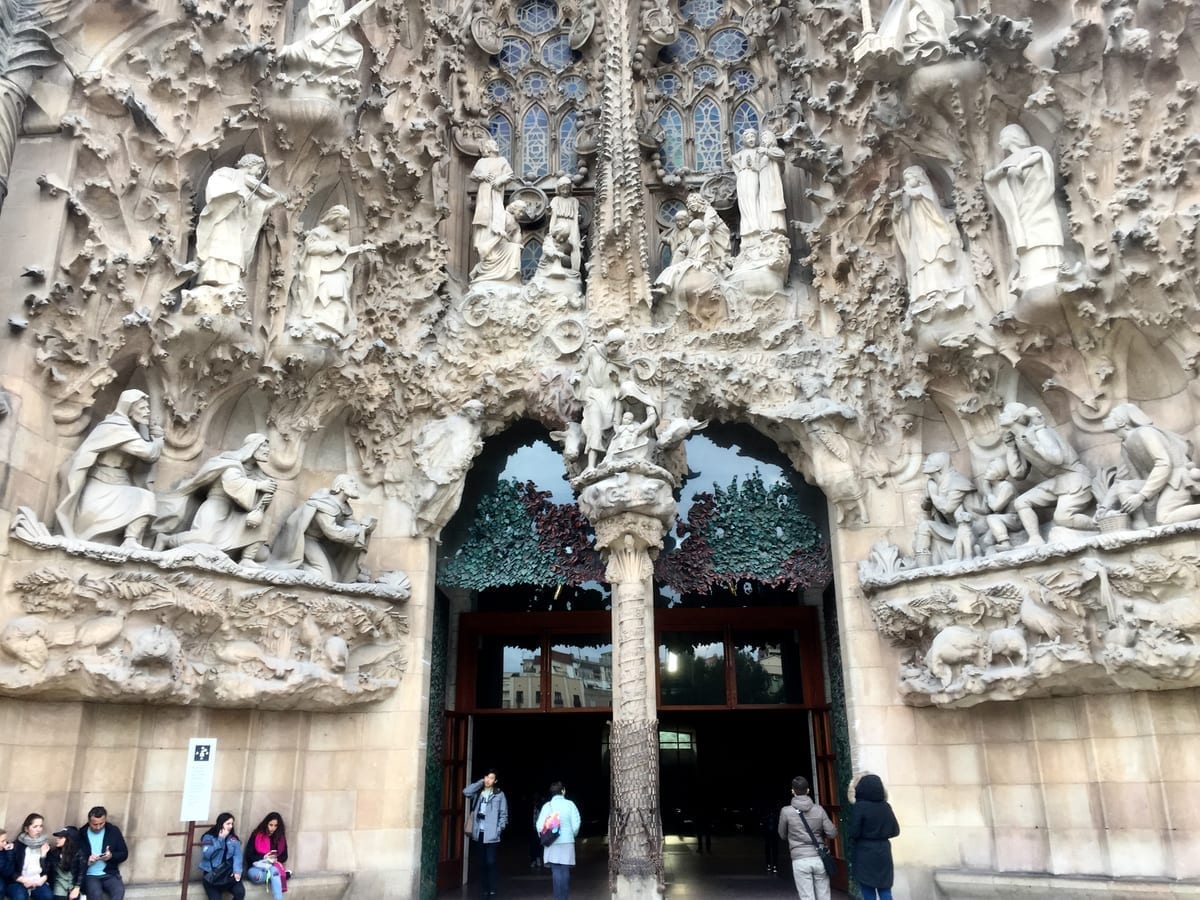
it’s hard not to admire the intricate details and extravagance of Barcelona.
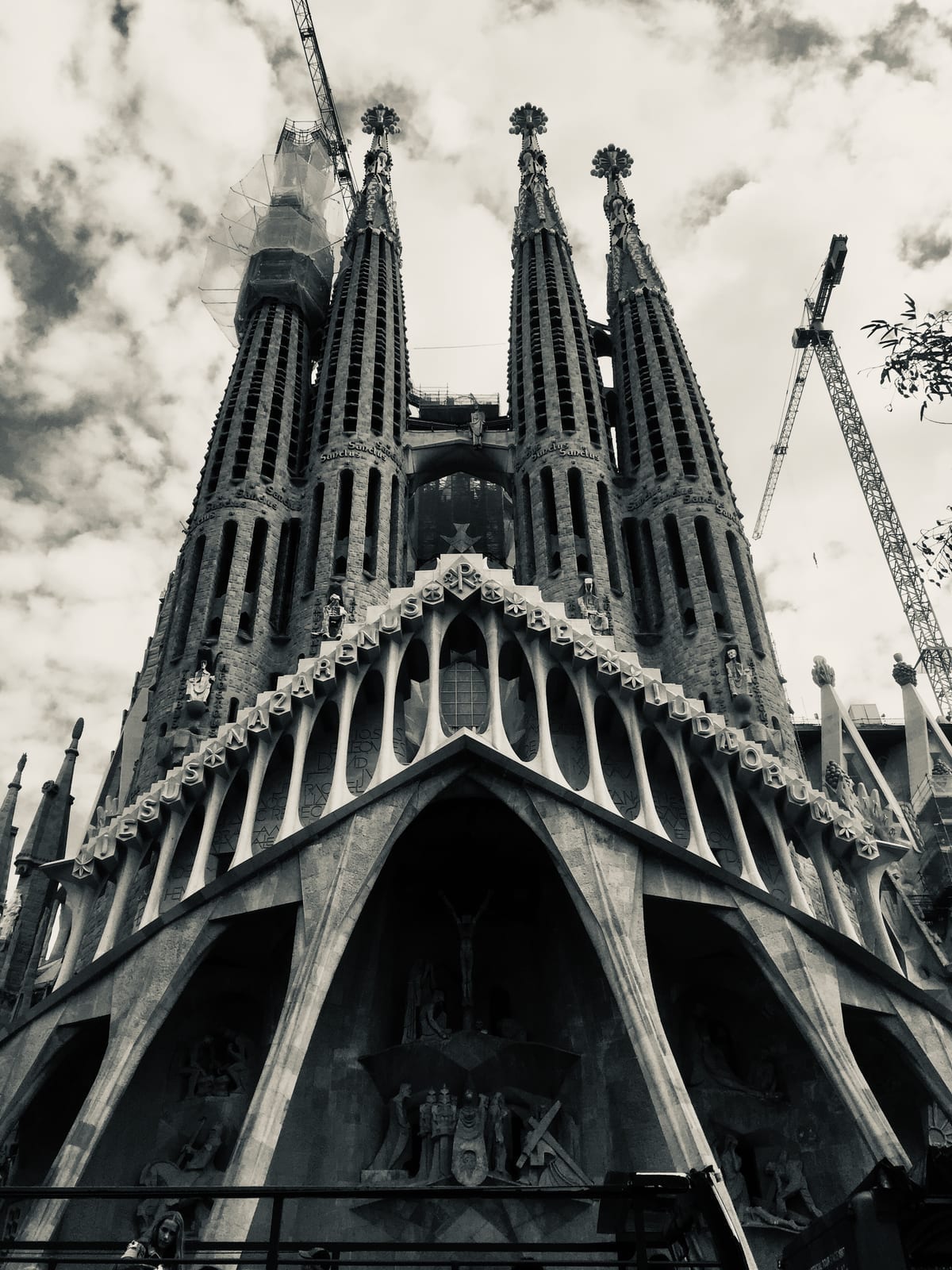
A lot of that is the result of Antoni Gaudí, a Catalan architect and designer, whose designs stretched from parks and gardens:
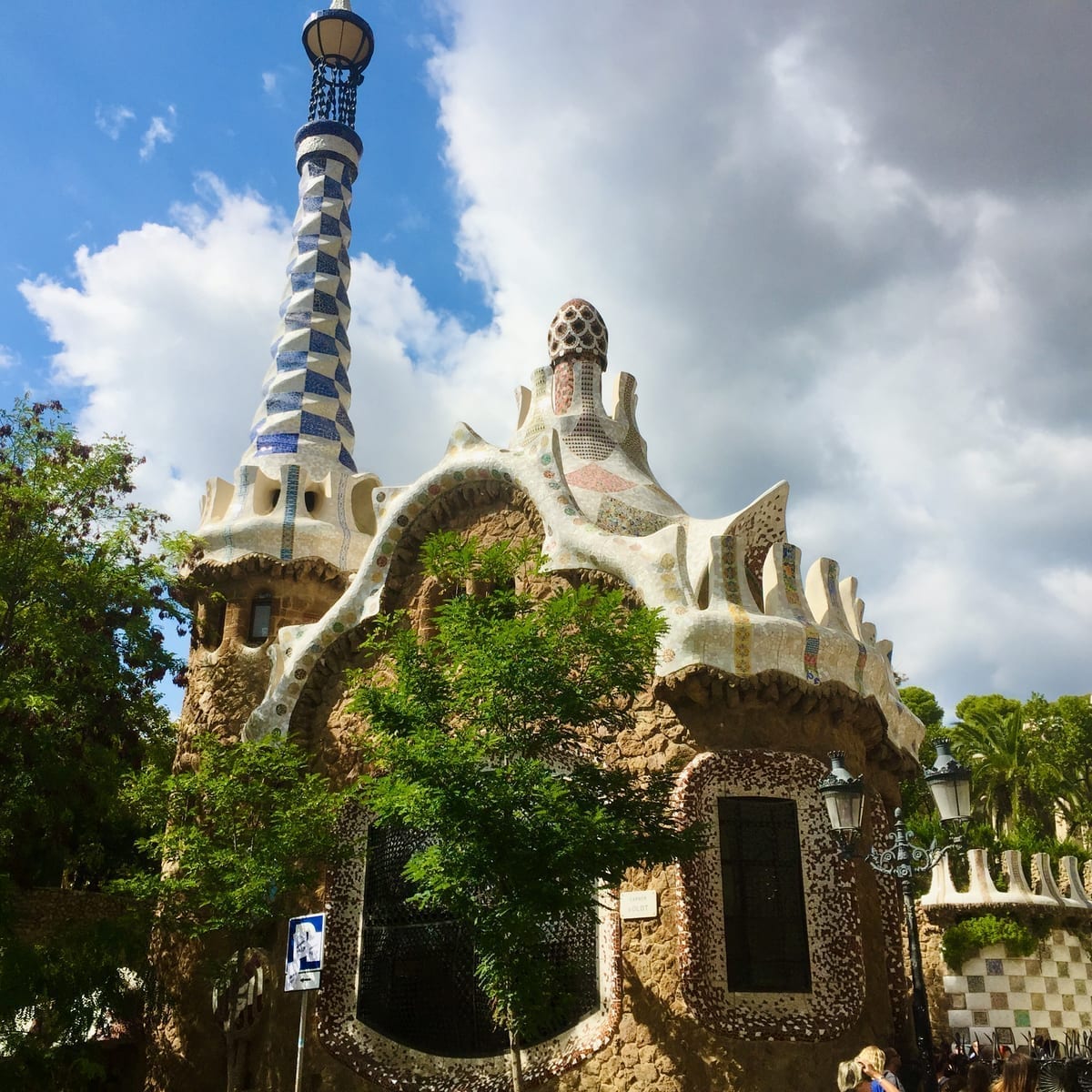
to one of the most ambitious Catholic churches in the world, started 143 years ago and still under construction:
Culture
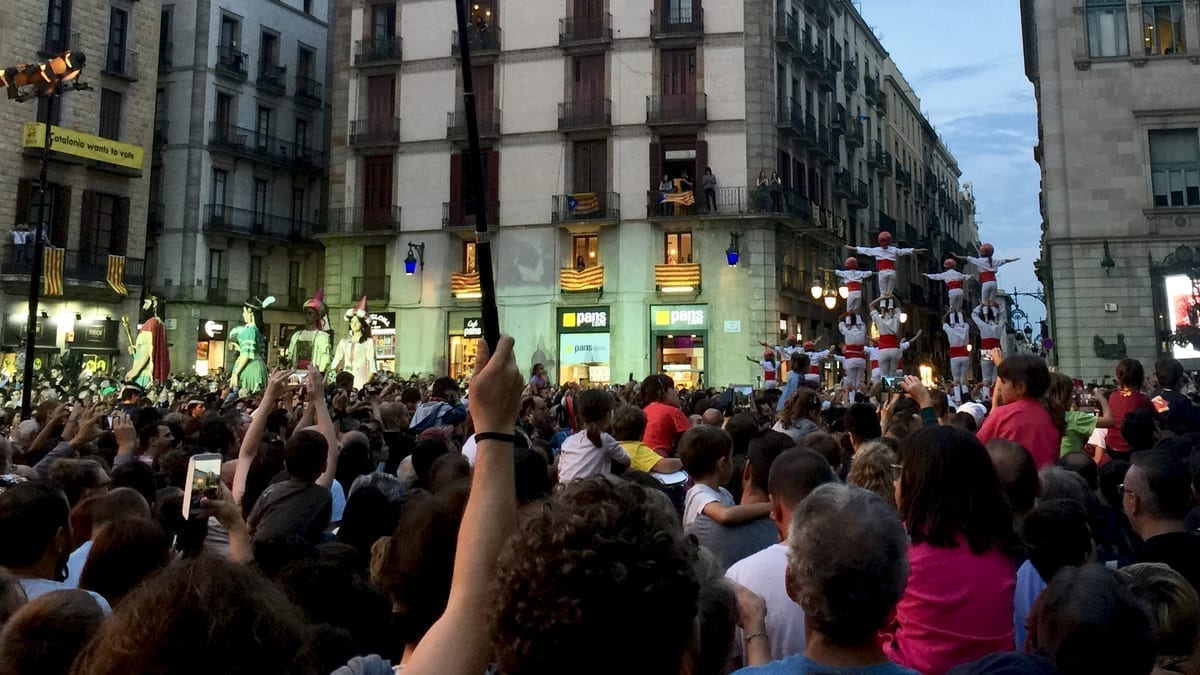
Perhaps the biggest highlight of my first trip was its timing. I’d accidentally arrived during La Mercè, Barcelona’s annual festival that’s been going on since 1871.
Every corner of the city was filled with art and music…
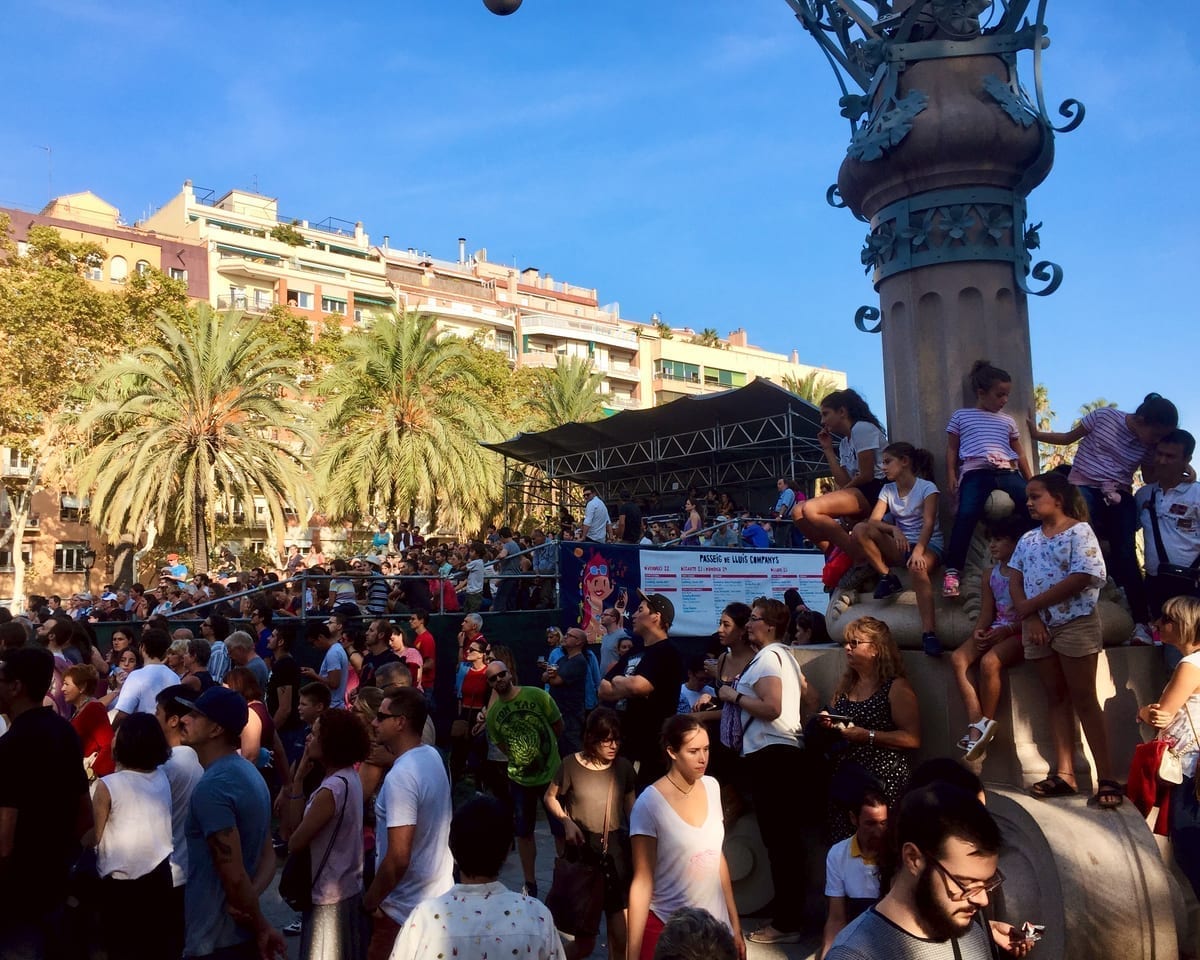
as well as papier-mâché giants and castells (human pyramids, or “castles”)…
and the wildest fireworks show…
I’ve ever been to…
2017
What made 2017 special was the result of hundreds of years of history - it marked the first independence referendum hosted by the Catalan government.
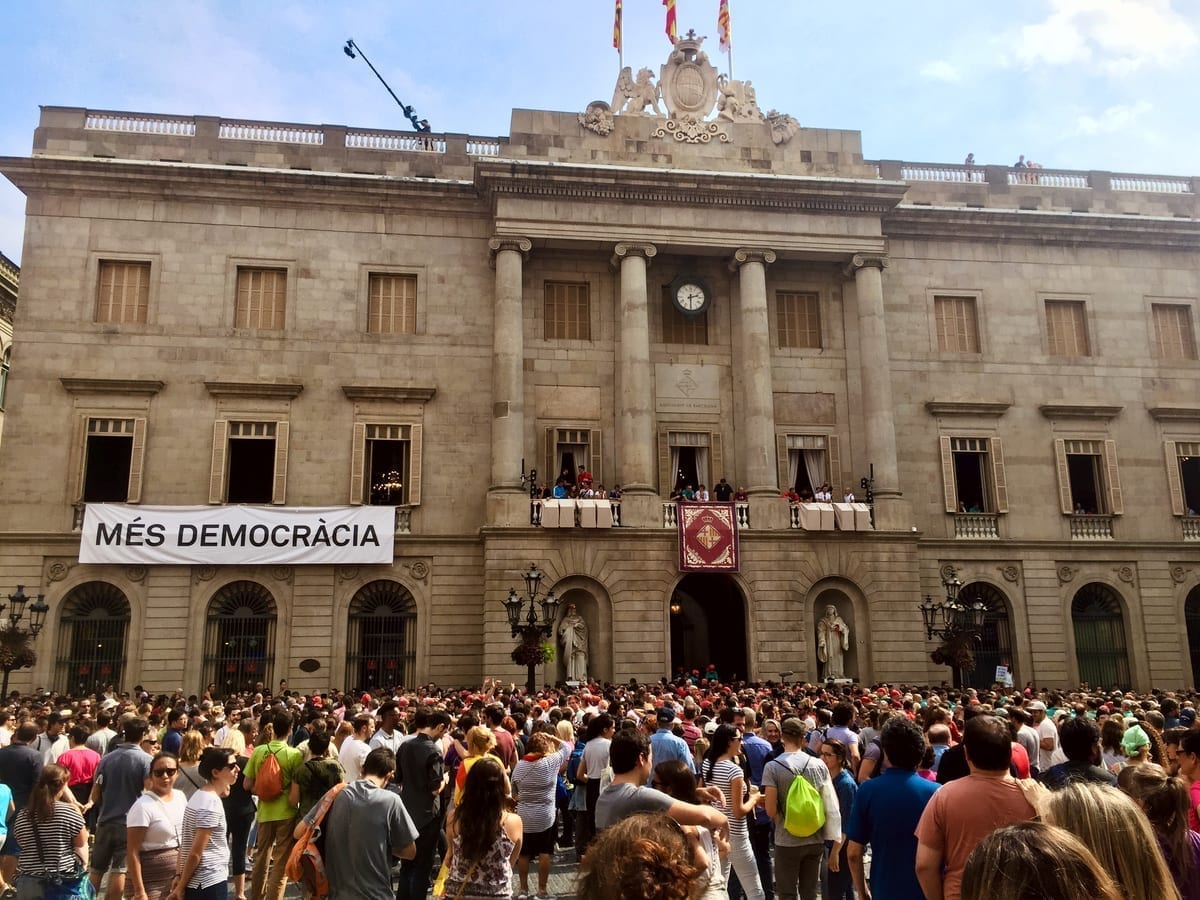
The city was covered in flags, and signs that said “Si” - which meant yes, if given the chance to vote.
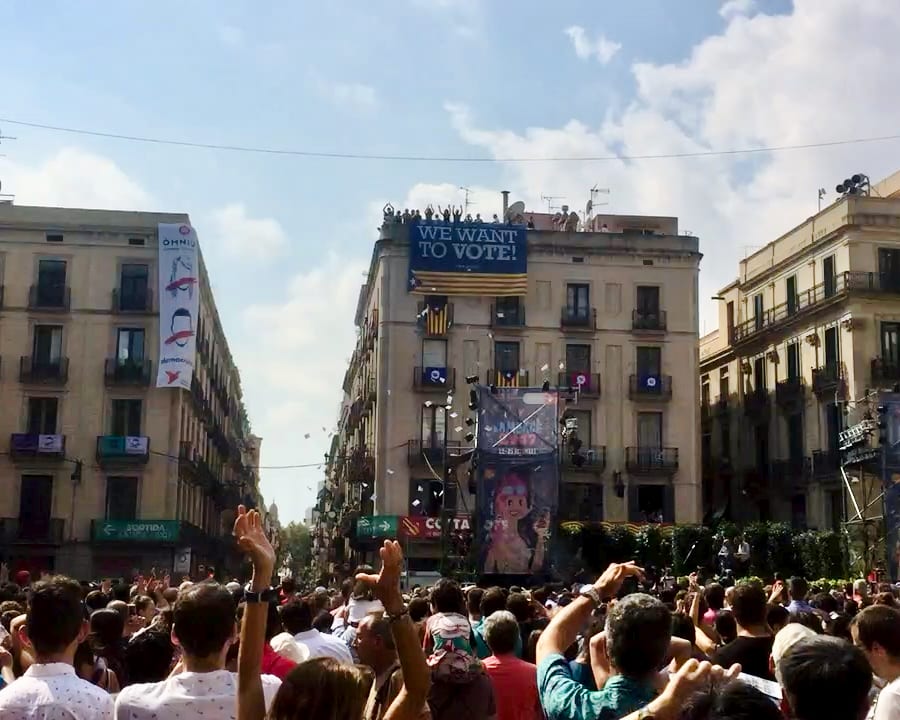
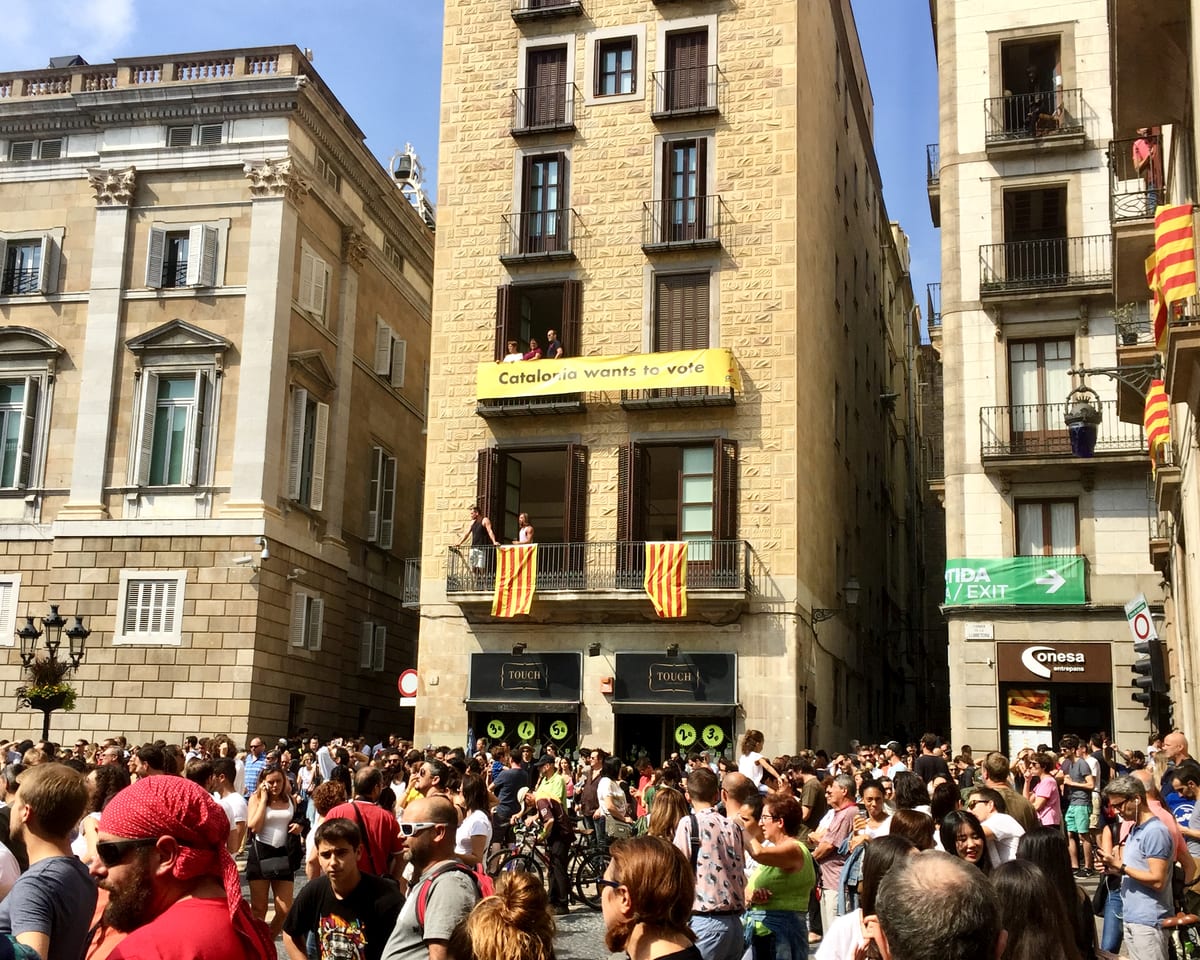
There were plenty of Si supporters…
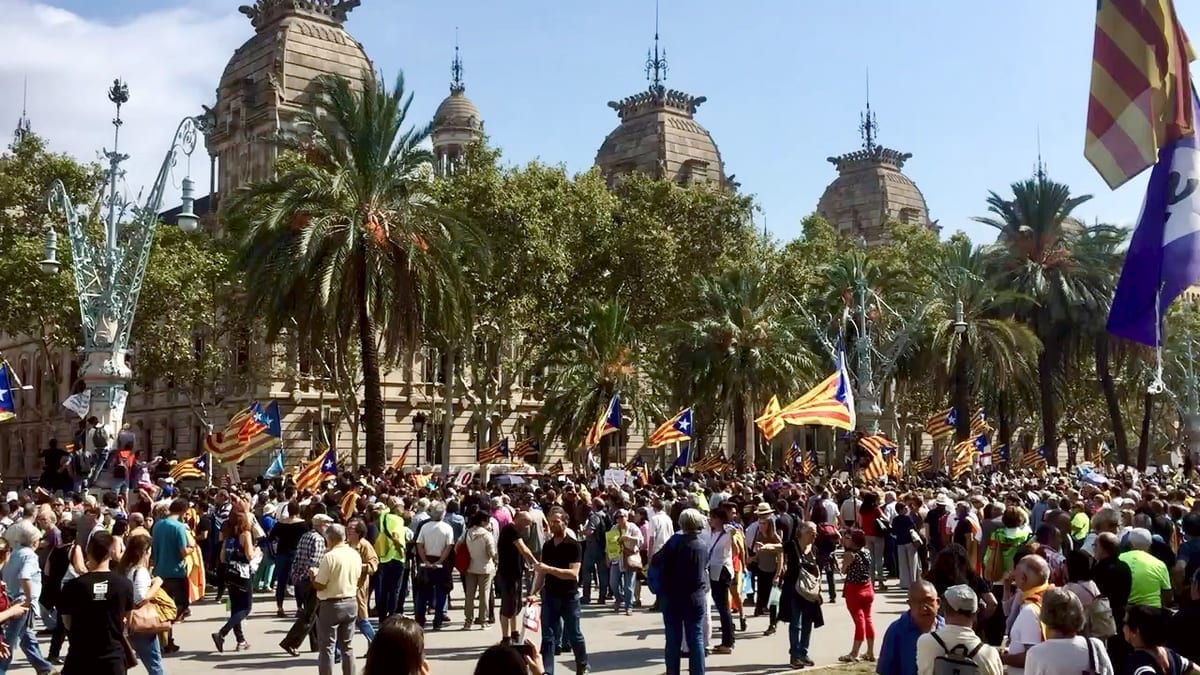
They once interrupted a conversation I was having, and it was the highlight of my trip.
At, I think it was, 6pm, supporters of the vote leaned out their windows and started smashing pots and pans. It was a DIY siren to let everyone else know they existed, and that they wanted to vote.
It was deafeningly loud and an extremely effective way of communicating.
History
I’m no expert, but a brief history is:
- in the Middle Ages, Catalonia was part of the Crown of Aragon
- the War of Spanish Succession (1701-1714) saw Catalonia become part of Spain
- the dictatorship of Francisco Franco restricted Catalan language and culture from 1939 to 1975
- in 2006 Catalonia negotiated a new agreement with Spain
- Spain’s conservative party opposed it and it went to court for 4 years
- in 2010 the court ruled that parts of the agreement should be annulled
- Catalans saw the agreement as settled and not to be changed
- this sparked a resurgence in the independence movement
which led to the referendum in 2017.
The result
The Catalan government claimed that 90% of voters voted “Yes”, however they also recognised that it had only a 42% turnout.
Because of this, Spain ignored the result and then called it illegal anyway.
A month later Catalonia’s parliament declared independence.
The next day Spain dissolved the Catalan government, arrested several of its leaders, and the regional president Carles Puigdemont fled to Belgium.
Since then
Unfortunately, since then, the only notable things to have happened are trials and prison sentences followed by a new amnesty law that pardons some of those involved in the push for independence.
I wish this had a better ending, and that the Catalan people were given a legal vote to decide what they want to do. I don’t know if independence is a good or bad thing for Catalonia, I’m just a tourist with an admiration for its capital.
Memories
I met a Spanish man on a hiking trail once and tried to tell him how nice Barcelona is. It turned out he did not want Catalonia to become independent, so he didn’t want to talk to me, and he definitely didn’t want to see my photos.
Thanks for the IndieWeb Carnival prompt James. It gave me an excuse to put this on my blog and add support for photos and videos.
And it was good to reminisce.
written by
Paul Tibbetts

canonical url: https://paultibbetts.uk/2026/03/17/museum-memories/